Daddy of a Princess Embroidery: A Designer Review
As an embroidery designer who frequently sources files for custom apparel and commercial projects, I approach every new download with a critical eye. When browsing Creative Fabrica embroidery collections for Father’s Day or baby shower seasons, the "Daddy of a Princess" theme is ubiquitous. However, not all designs stitch out cleanly on real garments. After evaluating this specific Daddy of a Princess machine embroidery design for potential use in my shop, I want to share a professional perspective on its viability for handmade products, Etsy listings, and personalized gifts.
First Impressions and Visual Appeal
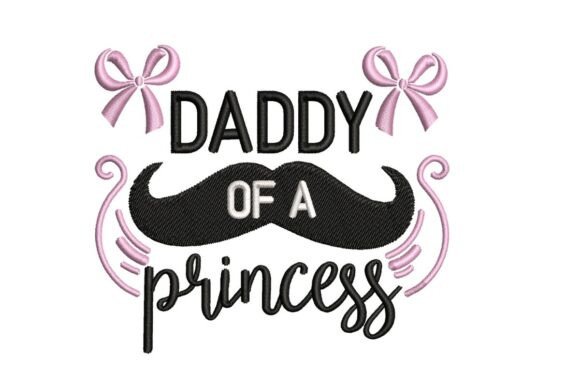
The product description highlights a playful and stylish combination of bold elements, which immediately caught my attention. In the digital preview, the artwork suggests a balance between masculine structure and whimsical detail—a crucial aesthetic for girl dad merchandise. As a designer, I look for vector-style clarity that translates well into thread. This embroidery file appears to avoid the common pitfall of overly intricate details that get lost when scaled down for a chest logo or cap.
The visual mood strikes the right chord for a personalized gift. It feels modern rather than dated, which is essential for boutique merchandise. For those creating printable mockups to test market demand before stitching, the clean lines of this design asset should render beautifully in digital previews. However, as with any digital embroidery file, the true test lies in how the digitizer handled the transition from screen to fabric.
Stitch Quality and Technical Performance
When planning to use this for sweatshirt embroidery or custom apparel, stitch density is my primary concern. Bold lettering often implies satin stitch columns, which can be problematic if they are too wide or lack proper underlay. Based on the visual weight of this Daddy of a Princess embroidery, I anticipate a mix of satin and fill stitch techniques. If you are working with textured fabrics like fleece or terry cloth, verify that the design includes adequate underlay to prevent stitches from sinking into the material.
For smaller applications, such as an embroidered patch or a baby bib, check the minimum recommended hoop size. Tiny lettering in "Princess" or "Daddy" can become illegible if resized below the digitizer’s safety threshold. I always recommend opening the file in your embroidery software or machine to inspect the smallest text height. If the letters are under 4mm, consider using them only on larger items like tote bags or pillow covers where scaling up preserves legibility.
Thread colors also play a significant role in the final presentation. While the design likely comes with a suggested color chart, real-world application requires adjustment based on garment color. High contrast is vital; white satin stitches on a pale pink sweatshirt may require a darker outline or shadow effect to pop. Always review the stitch sequence to ensure color changes are logical and minimize unnecessary trims, which improves production efficiency for commercial embroidery runs.
Real-World Application Scenarios
I evaluated this design specifically for a mixed-media project involving both adult apparel and nursery decor. Here is how it performs across different categories:
- Custom Apparel: Ideal for sweatshirts and t-shirts. The bold nature of the design holds up well on cotton blends. Ensure you use a cut-away stabilizer for stretchy knits to prevent puckering around the dense stitch areas.
- Tote Bag Design: Canvas totes provide a stable foundation. This design works exceptionally well here because the fabric does not stretch, allowing the satin stitches to lay flat and crisp.
- Nursery Decor: For baby blankets or pillow covers, softness is key. Check the back of the stitched sample; if the fill stitch is too dense, it may create a stiff spot. Using a tear-away topping can help keep the stitches smooth against delicate skin.
- Caps and Hats: Curved surfaces are challenging. If this file includes a version specifically digitized for caps (with center-out sequencing), it is a major asset. If not, proceed with caution and test on a scrap cap first, as standard flat embroidery files often distort on curved brims.
- Kitchen Towels and Aprons: These are high-wash items. The durability of the Daddy of a Princess embroidery will depend on proper stabilization. Use a heavy-duty tear-away or wash-away stabilizer to ensure the design survives frequent laundering without pulling at the fabric weave.
Commercial Viability for Sellers
For Etsy sellers and small business owners, product value hinges on perceived quality. A poorly stitched design devalues the entire brand. This Daddy of a Princess embroidery has strong commercial potential because it targets a highly emotional niche. Girl dads are enthusiastic buyers, especially leading up to Father’s Day or birthdays.
However, buyer trust is built on consistency. Before listing a finished product, you must validate the licensing terms on the Creative Fabrica product page. Confirm whether the license covers commercial use for physical goods versus digital redistribution. Never assume; always verify. Additionally, consider how this design pairs with other assets in your shop. Does it match the font style of your existing "Mommy" or sibling designs? Brand consistency across a collection increases average order value.
Photography is another area where this design can shine or fail. Because the design features bold elements, ensure your product photography uses even lighting to capture the texture of the stitches. Shadows can hide poor registration, but they also hide beautiful detail. Show close-ups of the embroidery to demonstrate quality to potential customers.
Essential Testing Protocol
Before committing this machine embroidery design to a customer order or bulk production, follow this practical testing workflow:
- Check File Details: Verify the included formats (PES, DST, JEF, etc.) match your machine. Note the exact dimensions and stitch count provided by the seller.
- Stabilizer Selection: Test on scrap fabric that matches your final product. If stitching on dark fabric, use a light-colored bobbin thread to check for tension issues or bobbin thread show-through.
- Resize Safely: If you need to adjust the size, do so within 10-20% of the original unless the file is explicitly marked as resizable. Significant resizing alters stitch density and can cause thread breaks or fabric distortion.
- Wash Test: For items like kitchen towels or baby blankets, wash and dry the test swatch. Inspect for loose threads, puckering, or color bleeding. This step is non-negotiable for commercial embroidery products intended for daily use.
- Mockup Validation: Create a printable mockup using the actual stitch-out photo, not just the digital art file. This gives customers a realistic expectation of the handmade product they are purchasing.
Final Thoughts for Embroiderers
The Daddy of a Princess embroidery design offers a charming, marketable option for creators focusing on family-centric apparel and gifts. Its bold styling suggests good visibility on various substrates, from sweatshirts to tote bags. However, success depends entirely on your technical preparation. By respecting stabilizer requirements, verifying license terms, and conducting thorough test stitches, you can transform this digital embroidery file into a high-value, professional-grade product that delights customers and celebrates girl dads with confidence.