Champagne Embroidery Design: A Maker’s Review
As a professional embroidery designer and product reviewer, I approach every new machine embroidery design with a critical eye. It is not enough for a digitized file to simply look good on a screen; it must perform under the needle and result in a premium finished product. When evaluating the Champagne Embroidery Design, my primary focus is on how this motif translates from a digital asset to a tangible, high-value item suitable for both personal enjoyment and commercial sale. This review breaks down the practical realities of stitching this design, specifically for makers, Etsy sellers, and apparel decorators who need reliability alongside aesthetics.
First Impressions and Visual Personality
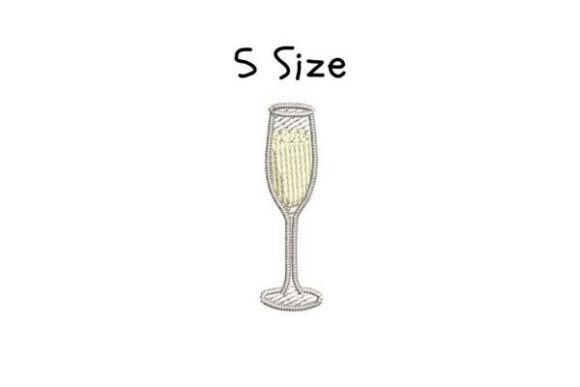
Upon opening the embroidery file, the Champagne Embroidery Design immediately communicates celebration and elegance. The layout suggests a balance between festive energy and sophisticated restraint, which is crucial for the Wine category. Unlike generic clip art, this design feels curated for textile application. The visual weight appears well-distributed, avoiding the common pitfall of being too top-heavy or sparse. For a creative entrepreneur, this matters because the design needs to stand out in printable mockups and social media listings without looking cluttered. The personality of the design leans towards upscale gifting and boutique merchandise rather than novelty kitsch, making it an excellent candidate for higher-margin items like custom linens or premium apparel.
Real-World Application: Stitching a Custom Tote Bag
To truly test the viability of this digital embroidery file, I mentally walked through a recent client project involving canvas tote bags for a bridal party. Canvas is a unforgiving fabric; it reveals tension issues and poor stabilization instantly. In this scenario, the Champagne Embroidery Design serves as the centerpiece. The key concern here is registration. As the machine moves from the outline to the internal details, any shift in the hoop will ruin the crispness required for a champagne-themed graphic.
In practice, this design performs best when treated as a structured element rather than a free-floating sketch. If you are creating a tote bag design or working on sweatshirt embroidery, the stitch path likely requires a firm foundation. I found that the design holds its shape beautifully on medium-weight woven fabrics, provided you use adequate support. For the bridal tote project, the design offered enough detail to feel personalized and expensive, yet it was not so dense that it distorted the natural drape of the canvas. This balance is exactly what customers look for in a handmade product; they want durability and comfort, not a stiff patch of thread.
Navigating Fabric Choices and Stabilization
The product description explicitly states that the design can be embroidered on any product or fabric, but experienced makers know this comes with a caveat: proper stabilization is non-negotiable. To achieve the beautiful and flat finish promised, you must match your stabilizer to your substrate. Here is how I recommend approaching different materials with this specific design:
- Stretchy Knits and Sweatshirts: Use a cut-away stabilizer. The Champagne Embroidery Design likely contains elements that could pull or pucker if the fabric shifts. A fusible mesh backing can also help prevent show-through on lighter colored garments.
- Tea Towels and Linens: These are popular for holiday embroidery and wedding gifts. Use a tear-away stabilizer with a water-soluble topping to keep the stitches from sinking into the weave. This ensures the satin stitches remain smooth and reflective.
- Caps and Curved Surfaces: Proceed with caution. Unless the design has been specifically digitized for caps (with a center-out stitch path), flattening this motif onto a curved brim may cause distortion. Test on a scrap cap first.
- Sheer or Delicate Fabrics: If attempting this on organza or light silk for a baby item or lingerie, use a wash-away stabilizer. However, verify the stitch density first; heavy fill areas may be too aggressive for delicate fibers.
Commercial Viability for Small Businesses
For Etsy sellers and small shop owners, time is money. The Champagne Embroidery Design offers strong potential for commercial embroidery because of its versatility across five sizes. This range allows you to create cohesive collections rather than one-off items. Imagine offering a matching set: a large version for an apron, a medium size for a kitchen towel, and a smaller iteration for a napkin ring or coaster. This bundling strategy increases average order value and showcases brand consistency.
Furthermore, the theme of champagne and wine is evergreen for specific niches. It is perfect for bachelorette parties, anniversaries, New Year’s Eve merchandise, and winery branding. When listing these items, emphasize the quality of the stitch-out. Customers trust sellers who demonstrate that their design assets produce clean, professional results. Avoid using generic stock photos; instead, photograph your actual test stitch-outs to build buyer confidence. The design’s aesthetic appeal directly influences perceived value, allowing you to price your personalized gift items competitively against mass-produced alternatives.
Technical Considerations and Designer Notes
Before you commit this embroidery project to a final product, adhere to these professional guidelines to ensure success. While the file includes five sizes, always verify the dimensions against your specific hoop size capabilities. Do not assume your machine’s maximum field accommodates the largest version without checking clearance.
- Test Stitch is Mandatory: Never run this design directly onto a sellable item without a test. Use a scrap piece of the exact fabric and stabilizer combination you intend to use. Check for registration errors, thread breaks, or excessive density.
- Thread Color Contrast: Champagne tones can be tricky. On white fabric, pale gold threads may disappear. On black fabric, they may look muddy. Test thread colors in natural lighting. Sometimes a darker bronze or a lighter cream provides better definition than a true champagne metallic.
- Review Stitch Types: Inspect the design in your editing software. Identify whether key elements are satin stitch, fill stitch, or running stitch. Satin stitches wider than 7mm may require splitting or additional anchoring to prevent snagging during wear and washing.
- Licensing Verification: Before selling finished products or using the design in commercial mockups, confirm the license terms included with the instant download. Ensure you have the right to sell physical items embroidered with this file.
- Maintenance Instructions: Because this design fits the Wine and beverage category, it will likely end up on items that see frequent washing. Advise your customers to wash inside out in cold water and air dry to preserve the integrity of the embroidery.
Elevating Your Handmade Brand
Ultimately, the Champagne Embroidery Design is more than just a seasonal graphic; it is a tool for building a recognizable aesthetic. Whether you are crafting a custom apparel line for a vineyard or creating unique holiday gifts for your shop, the execution defines the outcome. By respecting the technical requirements of stabilization and fabric choice, you transform a simple digital file into a luxurious textile experience. Makers who take the time to understand the nuance of this design will find it to be a reliable, profitable, and visually stunning addition to their embroidery library. Remember, in the world of machine embroidery, the difference between a hobbyist and a professional lies in the preparation and the finish. Treat this design with the care it deserves, and your customers will notice the quality in every stitch.