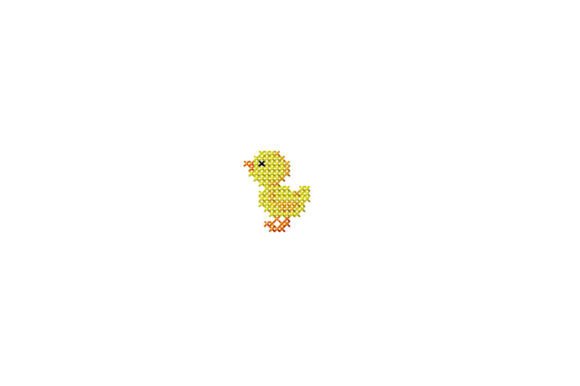
Chicken Embroidery Design for Easter: A Maker's Review
As an embroidery designer who frequently sources assets for both personal projects and commercial client orders, I approach every new machine embroidery design with a critical eye. When browsing Creative Fabrica for seasonal additions to my spring catalog, the Chicken Embroidery Design for Easter caught my attention. It is marketed as a mini cross-stitch style pattern specifically intended for towels or baskets. After downloading the embroidery file and running test stitches, here is my honest evaluation of how this design performs in real-world production scenarios for handmade business owners and crafters.
First Impressions and Visual Character
The immediate appeal of this Creative Fabrica embroidery asset lies in its nostalgic, folk-art aesthetic. Unlike modern, hyper-realistic digitizing, this design mimics traditional hand cross-stitch. This visual mood is perfect for the current market trend favoring cottagecore and vintage farmhouse styles. For an Etsy seller or boutique owner, this specific "stitching personality" communicates warmth and tradition, which can significantly enhance the perceived value of a handmade product.
However, designers must understand that "cross stitch style" in machine embroidery implies specific technical characteristics. The design relies on texture rather than smooth gradients. At just 1.13 x 1.39 inches (29 x 36 mm), it is undeniably a micro-design. With only 1,217 stitches, it is incredibly lightweight. This low stitch count is a major advantage for delicate fabrics but requires careful consideration regarding placement and stabilization to prevent puckering on lighter materials.
Real-World Application: Towels, Baskets, and Apparel
I evaluated this Chicken Embroidery Design for Easter with three specific commercial applications in mind: kitchen linens, woven baskets, and custom apparel accents.
Kitchen Towels and Linens
This is the design’s strongest use case. Because the stitch count is low, it does not create a heavy, bulletproof patch on the fabric. When embroidering flour sack towels or waffle-weave dish cloths, the design sits flat and maintains the drape of the textile. For a personalized gift set, this chicken motif pairs beautifully with simple monograms or gingham borders. The small size allows for corner placements or repeating patterns along a hem without overwhelming the functional aspect of the towel.
Basket Decoration and Tags
For Easter basket businesses, this design works exceptionally well as an embellishment on fabric tags or drawstring bags attached to woven baskets. Its compact footprint fits easily within standard 4x4 hoops, making it efficient for batch production. If you are creating commercial embroidery products for seasonal markets, the quick run time of 1,217 stitches means high throughput without sacrificing charm.
Apparel Accents and Patches
While described for home decor, I tested this as a pocket accent on a children’s sweatshirt. As a standalone chest logo, it may be too small for adult sweatshirt embroidery. However, as part of a larger composition or on baby onesies, it is delightful. It could also serve as a base for an embroidered patch, provided you add a merrowed edge or satin border manually, as the raw cross-stitch edges might fray if cut out directly from fabric.
Technical Performance and Stitch Quality
Understanding the technical limitations of a mini design is crucial for avoiding production failures. Here is what you need to know about stitching out this file:
- Stitch Density and Texture: The cross-stitch simulation creates natural gaps between stitches. On dark fabrics, ensure your underlay is sufficient to prevent the fabric color from showing through these intentional gaps. Conversely, on stretchy knits, the open nature of the design reduces the risk of fabric distortion compared to dense fill stitch designs.
- Hoop Size Considerations: At roughly 1.4 inches tall, this design requires precise hooping. Using the smallest possible hoop recommended by your machine manufacturer will provide the best tension. If using a larger hoop, consider floating the fabric with adhesive spray and a sticky-back stabilizer to maintain registration.
- Thread Colors: The product details list 4 colors. Verify if these are solid blocks or blended shading. For a true cross-stitch look, matte rayon or cotton threads often yield better results than high-sheen polyester, enhancing the vintage vibe.
- Fabric Compatibility: This design excels on textured surfaces like linen, canvas, and terry cloth. Be cautious when using it on high-pile fabrics like plush fleece; the tiny stitches may get lost in the nap unless you use a water-soluble topping effectively.
Enhancing Product Value and Buyer Trust
For creative entrepreneurs, the choice of design assets directly impacts brand consistency. This chicken design offers a cohesive look for an entire Easter collection. When photographing your finished product, the intricate texture of the simulated cross-stitch adds visual interest that prints cannot replicate. This tactile quality helps justify higher price points for artisanal goods.
Furthermore, using specialized seasonal designs signals to customers that your shop is active and curated. Whether you are selling digital files or physical items, presenting this design on a high-quality mockup or actual sample builds trust. Customers can see exactly how the 1.13-inch scale translates to reality, reducing returns due to size expectations.
Practical Notes for Professional Results
Before listing any item featuring this digital embroidery file for sale, adhere to these professional best practices:
- Always Test Stitch: Never run this design directly on a final product without a test. Use a scrap of the exact fabric and stabilizer combination you intend to sell. Inspect the alignment of the four color changes.
- Check Licensing: Before selling finished goods or incorporating this into a printable mockup for digital sale, review the specific license terms on the Creative Fabrica product page. Ensure your intended commercial use aligns with the designer's permissions.
- Scale Verification: While resizing is possible, be wary of enlarging a cross-stitch simulation too much, as the individual "pixels" may become blocky. Similarly, shrinking below 1 inch may cause thread breaks or loss of detail. Stick close to the native 29 x 36 mm size for optimal clarity.
- Mockup Strategy: When creating listings, show the design next to a common object (like a coin or ruler) or on a modeled garment to establish scale. Since this is a mini design, context is everything for online shoppers.
- Stabilizer Selection: For towels, use tear-away stabilizer. For apparel, use cut-away to support the fabric long-term. Given the low stitch count, avoid heavy-duty stabilizers that might make the embroidered area stiffer than the surrounding fabric.
Final Verdict for Makers
The Chicken Embroidery Design for Easter is a highly functional, niche-specific asset. It is not a versatile all-rounder for every project, but it is exceptional for its intended purpose. For makers focusing on Easter kitchen decor, baby gifts, or vintage-style apparel accents, this design delivers professional results with minimal machine time. Its low stitch count makes it economical for production, while its charming aesthetic supports premium pricing for custom apparel and home goods. Just remember to respect the scale and texture of the design, and always verify your licensing for commercial application. By treating this mini design with the same technical rigor as a large jacket back, you can create beautiful, profitable seasonal offerings that stand out in a crowded marketplace.