Sunflower Gnome Embroidery Design Review
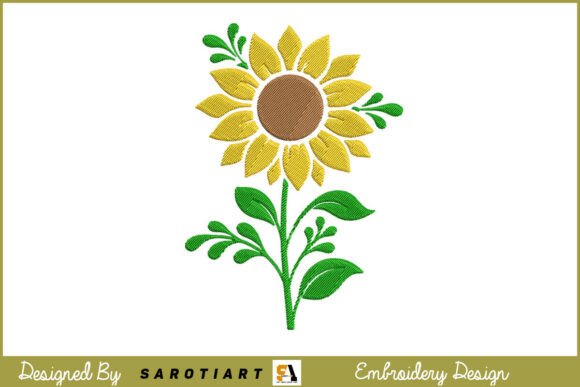
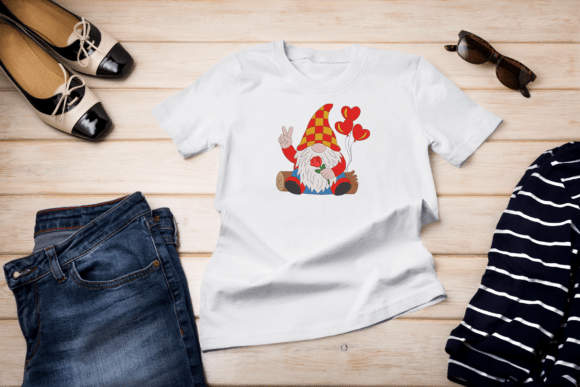
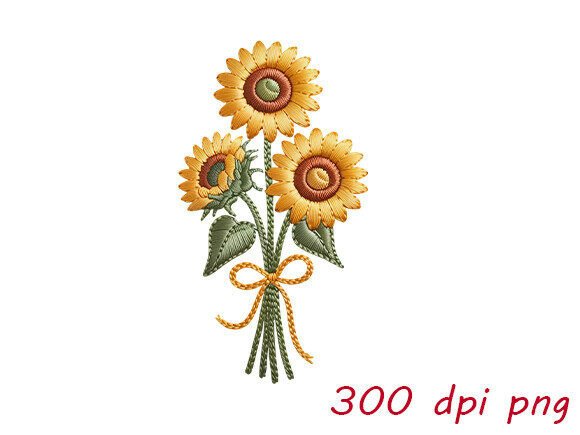
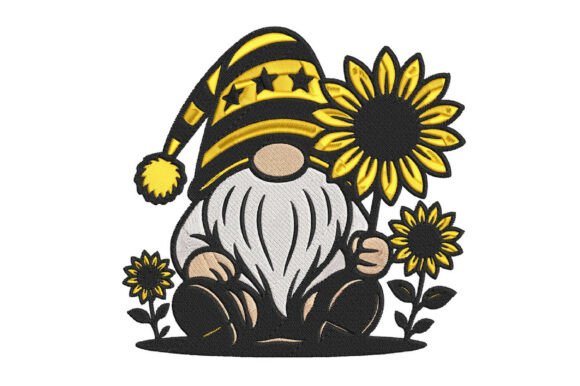
As a professional embroidery designer specializing in commercial merchandise and branded assets, I approach every new machine embroidery design with a critical eye toward production viability. When evaluating the Sunflower Gnome Embroidery Design for small business applications, my primary focus shifts from simple aesthetics to functional durability and brand alignment. This design, which combines a whimsical gnome figure with vibrant sunflowers, presents a unique opportunity for businesses in the farmhouse, bakery, florist, and handmade sectors. However, translating a cute digital file into a profitable finished product requires understanding how this specific artwork behaves under the needle and in the marketplace.
Visual Personality and Brand Alignment
The first impression of the Sunflower Gnome Embroidery Design is undeniably warm and inviting. For a business owner, this visual personality is a strategic asset. The combination of the gnome and sunflowers signals a rustic, handcrafted, and approachable brand identity. In my experience reviewing designs for client projects, this specific aesthetic performs exceptionally well for autumn-themed promotions, harvest festivals, and year-round farmhouse branding. It avoids looking overly juvenile, striking a balance that appeals to adult consumers looking for cozy, high-quality small business merch.
For a local café or boutique, this design communicates "handmade" and "local" instantly. Unlike generic clip art, the integration of floral elements with the character creates a cohesive composition that feels intentional rather than accidental. When used as part of a larger collection of design assets, it anchors an Autumn or harvest line effectively. However, businesses aiming for a sleek, corporate, or minimalist modern look should proceed with caution, as the inherent charm of this design leans heavily into traditional and cottage-core aesthetics.
Commercial Applications and Merchandise Potential
In real-world commercial embroidery scenarios, versatility is key. I have evaluated the Sunflower Gnome Embroidery Design against several common merchandise categories to determine its best use cases:
- Apron Embroidery: This is arguably the strongest application. The vertical orientation often found in gnome designs fits perfectly on apron bibs or pockets. For bakeries and florists, it adds character to staff uniforms without compromising professionalism.
- Tote Bag Design: Canvas totes provide a stable, flat surface ideal for this level of detail. The sunflower elements allow for beautiful color blocking that pops against natural cotton canvas, making it a high-value item for Etsy sellers.
- Embroidered Patch: With proper digitizing, this design can be converted into a merrowed-edge patch. Patches are excellent for selling as add-ons or for branding items that cannot be hooped easily, like structured caps or leather goods.
- Custom Apparel: On denim jackets or sweatshirts, the design serves as a focal point. The mix of textures in the gnome’s beard and the flower petals allows for varied stitch types that elevate the perceived value of the garment.
When planning custom apparel lines, consider how the thread colors interact with your existing inventory. The sunflower motif typically utilizes golds, yellows, and browns, which pair naturally with navy, olive, cream, and denim bases. This compatibility reduces the need for excessive thread changes during batch production, streamlining your workflow.
Production Constraints and Technical Considerations
While the Sunflower Gnome Embroidery Design is visually appealing, technical execution determines profitability. As a designer, I must highlight areas where caution is required to avoid production failures or customer returns.
Stitch Density and Fabric Texture: Gnome designs often feature dense fill stitches for hats and beards. If you are embroidering on textured fabrics like terry cloth towels or heavy knit sweaters, the density must be managed carefully. Excessive density can cause puckering or needle breaks. Always test the stitch density on a scrap of the actual production fabric. You may need to adjust pull compensation or use a heavier stabilizer to support the design weight.
Cap Embroidery Challenges: While suitable for unstructured caps, this design may struggle on structured, curved fronts. The height-to-width ratio of gnomes can sometimes exceed the safe embroidery area of a standard cap frame. Before committing to cap embroidery, verify the physical dimensions of the embroidery file against your specific hoop limitations. Distortion on curved surfaces can ruin the symmetry of the sunflowers.
Small Scale Legibility: If you intend to use this as a small chest logo or sleeve accent, size reduction is a risk. Intricate details in the gnome’s face or individual sunflower seeds may become muddy below 3 inches. For smaller applications, request or create a simplified version of the design that removes micro-details while retaining the overall silhouette. A digital embroidery file optimized for small sizes ensures clarity and prevents thread buildup.
Strategic Business Value and Customer Trust
Beyond the technical specs, the Sunflower Gnome Embroidery Design impacts how customers perceive your business. High-quality embroidery signals permanence and care. When a customer receives a handmade product featuring this design, the tactile nature of the threads reinforces the "artisanal" promise of your brand. Poorly executed embroidery, conversely, suggests mass-produced cheapness.
Using consistent imagery across platforms builds recognition. If you use this gnome on your packaging, staff uniforms, and social media printable mockup images, you create a unified visual language. This consistency increases buyer engagement and trust. For Etsy sellers specifically, listing photos showing the design stitched out on real products (rather than just digital renders) significantly boosts conversion rates because it proves the embroidery file produces a clean, professional result.
Essential Pre-Production Checklist for Business Owners
Before running a full production order using the Sunflower Gnome Embroidery Design, I recommend every shop owner and maker follow this protocol to ensure commercial success:
- Verify Licensing: Confirm the embroidery file includes commercial licensing for finished products. Never assume a personal-use license covers selling branded merch.
- Test in Black and White: Run a grayscale test sew-out first. This reveals shading issues and density problems that color might hide. If the design reads well in black and white, it will read well in color.
- Check Hoop Size Compatibility: Ensure the design fits your largest available hoop with adequate margin for the presser foot. Trying to squeeze a design into a hoop that is too small leads to registration errors.
- Evaluate Stabilizer Pairing: Match the stabilizer to the end-use. Use cut-away for stretchy apparel and tear-away for stable woven tote bags. The wrong stabilizer choice is the number one cause of distorted designs.
- Create Client Mockups: If you are a decorator fulfilling an order for a café or boutique, generate a printable mockup overlaid on their specific garment color for approval before stitching. This manages expectations regarding size and placement.
- Wash Test: If the merchandise will be laundered frequently (like aprons or uniforms), wash the test sample three times. Check for thread shrinkage, color bleeding, or stabilizer residue. Durability is part of your product's value proposition.
The Sunflower Gnome Embroidery Design offers significant potential for businesses targeting the farmhouse and autumn markets. Its warmth and charm translate well to tangible goods, provided the technical execution matches the visual intent. By respecting the constraints of fabric texture, managing stitch density, and validating the design through rigorous testing, you can transform this adorable artwork into a cornerstone of your branded merchandise strategy. Remember, in commercial embroidery, the most successful designs are those that look as good after fifty washes as they did coming off the machine.