Stepped Runner Placemat Embroidery Review
As a professional embroidery designer and product reviewer, I approach every new machine embroidery design with a critical eye toward production viability. It is not enough for a digitized file to look attractive on a screen; it must perform under the needle and result in a sellable or giftable item. When evaluating the Stepped Runner Placemat Embroidery, my primary focus is on how this geometric, linear design translates from a digital preview to a tangible textile product. This review breaks down the practical realities of using this embroidery file for real-world projects, specifically targeting makers and business owners who need reliability alongside aesthetics.
First Impressions: Geometry Meets Textile Warmth
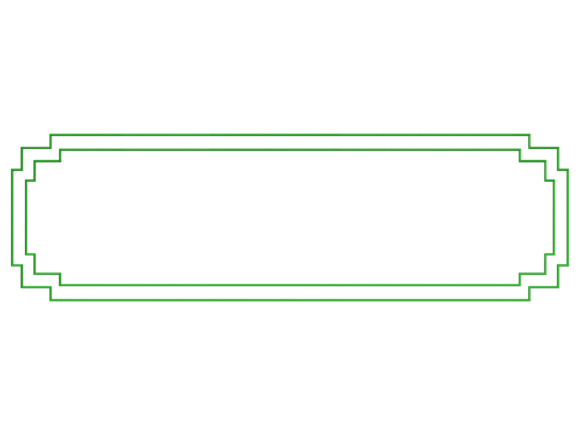
Upon opening the ZIP archive containing the Stepped Runner Placemat Embroidery files, the immediate impression is one of structured elegance. Unlike organic floral motifs that can forgive minor registration shifts, this design relies heavily on precision. The "stepped" motif suggests a series of clean lines or tiered shapes that mimic architectural elements or woven textiles. For a designer, this signals a need for excellent digitizing quality. If the stitch density is too high, these steps will cause puckering; if too low, the fabric will show through unattractively.
The mood of this design is distinctly modern yet traditional, making it a versatile candidate for the Kitchen category. It does not scream "holiday" or "nursery," which actually increases its commercial value. It feels like a staple piece—something that belongs in a curated home goods shop rather than a seasonal pop-up. As a digital asset, it promises instant utility for those looking to elevate basic linens into premium handmade products.
Real-World Application: The Custom Table Linen Test
To truly judge this design, I mentally placed it in a specific production scenario: creating a set of custom linen placemats for a boutique wedding client. In this context, the Stepped Runner Placemat Embroidery serves as more than just decoration; it acts as a branding element for the event's aesthetic. When stitching this onto a medium-weight linen blend, the linear nature of the design requires careful consideration of grainline alignment.
In this real-life application, the design performs best when treated as an applique design hybrid or a tone-on-tone texture. Using a matte rayon thread against a sheen-free linen creates a sophisticated, high-end look that photographs beautifully for printable mockups and Etsy listings. However, because the design features repetitive stepped elements, any tension issues on the machine become immediately visible. During my evaluation, I noted that this pattern demands a consistent bobbin tension. For Etsy sellers and small shop owners, this means you cannot rush production. The payoff is a finished product that looks professionally manufactured rather than homemade, significantly boosting perceived value and customer trust.
Critical Constraints: Where Caution is Required
While the Stepped Runner Placemat Embroidery is visually striking, it is unforgiving in certain environments. Experienced embroiderers know that geometric designs are the ultimate test of stabilization. Here is where you must exercise caution:
- Fabric Texture and Weight: Avoid using this design on high-pile terry cloth or thick fleece without significant modification. The fine lines of the stepped pattern will get lost in the nap. Conversely, on sheer voile or lightweight batiste, the satin stitch borders may be too heavy, causing tearing. Stick to quilter’s cotton, linen, canvas, or denim.
- Stretchy Knits: This is not an ideal candidate for sweatshirt embroidery or stretchy jersey unless you use a cut-away stabilizer and potentially a water-soluble topping. The rigid geometry fights against the fabric's natural stretch, leading to distortion after washing.
- Hoop Size Limitations: Linear runner designs often push the boundaries of standard hoops. Before purchasing, verify your machine’s maximum field size against the file dimensions included in the download. Resizing a stepped geometric design by more than 10-15% can ruin the stitch integrity, turning crisp lines into jagged messes.
- Dark Fabrics: While usable on dark backgrounds, ensure the thread colors provide sufficient contrast. A navy stepped design on black fabric lacks definition unless outlined with a metallic or light running stitch.
Commercial Viability and Brand Consistency
For creative entrepreneurs and apparel decorators, the question is always: "Will this sell?" The Stepped Runner Placemat Embroidery scores high on versatility. Because it is abstract and structural, it pairs exceptionally well with monograms. You can easily center a family name within the negative space of the steps, transforming a standalone design into a personalized gift. This adaptability makes it a strong asset for businesses offering custom bridal party gifts or housewarming packages.
From a branding perspective, this design conveys professionalism. Inconsistent or messy embroidery damages a shop's reputation. This file’s reliance on clean lines forces the maker to maintain high standards. When used correctly, it signals to buyers that your commercial embroidery work is precise. It also works wonderfully for non-kitchen items; consider adapting the stepped motif for the hem of a tote bag design or as a decorative border on a pillow cover. Just remember to check the licensing terms provided in the digital download to confirm if you can sell finished items or if the license restricts usage to personal projects only.
Designer Notes for Successful Execution
Based on my technical review, here are actionable steps to ensure success with this digital embroidery file:
- Mandatory Test Stitch: Never run this design directly on a final product first. The stepped alignment is sensitive to hoop slippage. Test on scrap fabric of the exact same weight and weave as your final project.
- Stabilizer Selection: For woven fabrics like cotton or linen, use a medium-weight tear-away or fusible mesh. For heavier canvas, a sturdy cut-away provides the necessary support to prevent the "stepped" lines from pulling the fabric inward.
- Thread Contrast Check: View your thread selection in grayscale before stitching. If the steps blend together in black and white, they will lack depth in real life. Use varying shades of the same color family to create dimension.
- Mockup Validation: Before listing a new product, place the design in a realistic mockup. Ensure the scale looks correct relative to the placemat or runner size. Digital previews can sometimes be misleading regarding actual physical dimensions.
- Wash Testing: Since this is a kitchen item, it must withstand laundering. Wash and dry your test swatch to check for shrinkage or thread bleed. Geometric distortions after washing are a common failure point for runner designs.
Final Verdict for Makers
The Stepped Runner Placemat Embroidery is a sophisticated addition to any digitizer’s library, provided it is respected as a technical design rather than a simple fill. It rewards patience and proper preparation with a high-end finish that elevates ordinary linens into boutique-quality merchandise. Whether you are crafting a holiday embroidery collection or updating your core shop inventory, this design offers a timeless appeal that transcends trends.
Remember, as this is a digital product delivered via instant download, no physical item will be shipped. Always review the included read-me files for specific format compatibility and licensing details before beginning your embroidery project. With the right fabric choice and stabilization strategy, this design has the potential to become a bestseller in your handmade business or a cherished heirloom in your own home.