Spring Bee Embroidery Design: A Business Review
As a professional embroidery designer specializing in commercial merchandise and branded assets, I approach every new machine embroidery design with a critical eye toward production viability. When evaluating the Spring Bee Embroidery Design for small business applications, my focus shifts beyond mere aesthetics to stitch integrity, scalability, and brand alignment. While this design is categorized under Nursery and described as having soft colors and playful details perfect for kids’ items, its potential extends significantly into the commercial sector. For florists, bakeries, honey producers, and eco-friendly boutiques, this motif offers a unique opportunity to soften brand identity while maintaining professional recognition.
First Impressions: Professionalism Meets Playful Charm
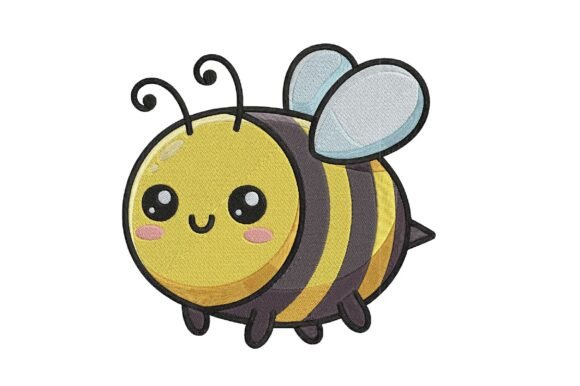
The immediate visual impact of the Spring Bee Embroidery Design strikes a balance between approachable warmth and clean vector-style execution. In a commercial context, "cute" can sometimes translate to "amateur," but this design avoids that pitfall through balanced proportions and intentional detail placement. The soft color palette mentioned in the product description suggests a pastel or muted tone strategy, which is excellent for reducing visual fatigue on staff uniforms and creating a premium feel on handmade product lines. For a creative studio or local café, this aesthetic signals an organic, welcoming atmosphere without sacrificing legibility at smaller sizes. It feels modern yet classic, avoiding overly complex shading that often causes registration issues during high-speed commercial embroidery runs.
Commercial Applications Across Merchandise Types
Versatility is the hallmark of a profitable embroidery file. Based on the design’s characteristics, here is how it performs across various business assets:
- Embroidered Patch Production: The distinct shape of a bee lends itself naturally to patch creation. Whether used as a morale patch for staff or a retail add-on for customers, the design’s outline likely supports a clean merrowed edge. This makes it ideal for denim jackets, backpacks, and workwear where direct embroidery might be difficult due to seams or pockets.
- Apron Embroidery and Staff Uniforms: For bakeries and florists, placing this design on apron chest pockets creates instant thematic cohesion. The playful nature humanizes the staff, fostering better customer engagement while clearly identifying employees. The soft colors prevent the uniform from looking too industrial.
- Tote Bag Design and Packaging: Reusable packaging is a major selling point for Etsy sellers and boutique owners. This design serves as an excellent branding mark for canvas totes, muslin drawstring bags, or tissue paper accents. It transforms generic packaging into a keepsake, increasing perceived value.
- Cap Embroidery: While caps present structural challenges, a centered bee motif works well on unstructured dad hats or beanies. It acts as a subtle logo alternative for businesses that want brand recognition without aggressive corporate signage.
Technical Considerations for Production Success
Despite its charm, the Spring Bee Embroidery Design requires careful technical evaluation before mass production. As designers, we must anticipate where "soft colors and playful details" might fail in real-world manufacturing.
Stitch Density and Fabric Texture
Soft colors often imply blending or lighter fill stitches. On textured fabrics like linen aprons or canvas tote bags, low-density fills can result in poor coverage and fabric show-through. Conversely, if the design uses high stitch density to achieve opacity, it may cause puckering on lightweight knits or performance wear. Always verify the density settings within your software. If the design is optimized for nursery quilts (stable cotton), it may need density adjustments for stretchy apparel or heavy-duty workwear.
Scaling and Detail Retention
The description highlights "playful details," which often means small facial features, wing veins, or antennae. These elements are the first to suffer when resizing down for sleeve cuffs, collar tags, or baby onesies. Before committing to small business merch, test the minimum viable size. If the eyes or wing details merge into a blob at 2 inches, the design is unsuitable for micro-branding. In such cases, consider using a simplified version for tiny placements and reserving the full Spring Bee Embroidery Design for larger areas like back prints or tote centers.
Thread Colors and Contrast
Pastel and soft thread colors require strategic contrast management. A pale yellow bee on a white shirt will disappear in photos and from a distance. For custom apparel, ensure there is sufficient value contrast between the thread and the garment. You may need to add a darker outline or shadow element to define the shape against light backgrounds. Always check thread compatibility; some pastel threads have higher lint content or lower sheen, affecting the final perceived quality of the finished product.
Impact on Brand Identity and Customer Trust
In the handmade and small business sector, visual consistency builds trust. Using a cohesive design asset like the Spring Bee Embroidery Design across multiple touchpoints reinforces memory structures in the customer's mind. When a client sees the same cheerful bee on your Instagram profile, your market stall banner, and their purchase packaging, it validates your professionalism. However, inconsistency kills credibility. Ensure this design aligns with your existing typography and color scheme. If your brand is stark minimalist, this playful bee might clash. But for brands rooted in nature, care, or artisanal quality, it enhances emotional connection and justifies premium pricing.
Essential Designer Notes for Implementation
Before loading this digital embroidery file into your machine for a client order or inventory run, follow this professional checklist:
- Verify Commercial Licensing: Never assume usage rights. Confirm the specific license terms for the Spring Bee Embroidery Design regarding mass production, resale of embroidered goods, and digitizing modifications. Protect your business legally.
- Create a Printable Mockup: Before stitching, generate a realistic mockup to approve placement and scale with stakeholders. Visualizing the design on an actual apron or cap template prevents costly positioning errors.
- Test on Real Substrates: Do not rely solely on screen previews. Stitch a sample on the exact fabric and with the exact stabilizer combination intended for production. Check for hoop burn, registration shifts, and color accuracy under natural lighting.
- Audit Hoop Size Compatibility: Ensure the design fits comfortably within your available hoops with adequate margin for clamping. If resizing is necessary to fit a specific hoop, re-digitize or adjust compensation rather than simply shrinking the file, which distorts stitch angles.
- Evaluate Wash Fastness: For items requiring frequent laundering (aprons, kids' clothes, uniforms), test wash durability. Soft colors may fade faster, and intricate details may fray. Adjust topstitching or use higher-quality polyester threads if longevity is a concern.
The Spring Bee Embroidery Design represents more than just a seasonal decoration; it is a functional business asset when applied with technical precision and strategic intent. By respecting its origins in the Nursery category while adapting it for commercial rigor, small business owners can leverage this cheerful motif to build a recognizable, trusted, and visually appealing brand presence. Always prioritize testing and quality control to ensure that the adorable charm translates into professional, durable merchandise that customers are proud to wear and use.