Sleeping Bee on Daisy Embroidery Design Review
As a professional embroidery designer preparing for an upcoming spring collection, I am constantly evaluating digital assets that balance aesthetic charm with technical durability. When sourcing a new machine embroidery design for a boutique brand, the file must perform flawlessly on heavy garments while conveying a specific mood. After reviewing the Sleeping Bee on Daisy Embroidery Design, I see significant potential for our neutral sweatshirt lineup and pastel hoodie drops. This evaluation breaks down how this specific motif translates from screen to fabric, focusing on commercial viability for small shops and apparel decorators.
First Impressions and Aesthetic Mood
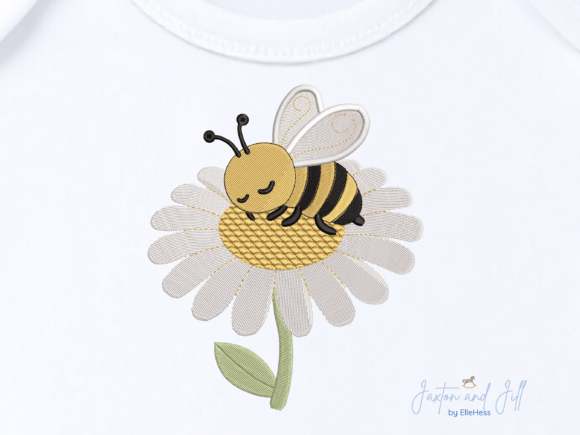
The immediate appeal of the Sleeping Bee on Daisy Embroidery Design lies in its soft, peaceful narrative. Unlike bold or aggressive graphics often found in the Bugs category, this design offers a gentle, feminine touch that aligns perfectly with current cottagecore and slow-fashion trends. The layout features a bumblebee resting on a blooming daisy, which creates a natural focal point without overwhelming the garment. For a handmade product, this sense of calm is essential; it signals to the customer that the item was crafted with intention rather than mass-produced haste.
The description highlights smooth satin stitching and delicate text, which are critical indicators of quality. In my experience, satin stitches provide the sheen necessary to make thread colors pop against matte fleece fabrics. However, "delicate" can sometimes be a red flag for sweatshirt embroidery. Upon closer inspection, the design appears to balance intricacy with structural integrity. It feels premium yet accessible, making it suitable for both high-end boutique merchandise and approachable Etsy listings. The mood is undeniably spring-forward, evoking feelings of renewal and coziness that drive seasonal sales.
Application on Sweatshirts and Hoodies
When planning a limited drop, versatility is key. This design works exceptionally well across various placements and garment types. For oversized hoodies, I envision this as a left-chest placement where the scale remains intimate and personal. The sleeping bee motif respects the negative space of a large garment, preventing the design from looking lost or disproportionately small. Conversely, on a standard crewneck sweatshirt, this could serve as a centered chest piece or even a unique sleeve accent near the cuff for a subtle detail that rewards close inspection.
Colorway strategy is equally important. On neutral sweatshirts like oatmeal, sand, or heather grey, the Sleeping Bee on Daisy Embroidery Design will act as a soft highlight. The contrast between the thread and the fabric texture should be distinct but not jarring. For dark fabrics like navy or charcoal, the satin stitching will reflect light beautifully, though you may need to adjust underlay settings to prevent the dark fabric from bleeding through lighter yellow or white threads. Pastel backgrounds offer a tonal, sophisticated look that appeals to buyers seeking minimalist custom apparel. Always test on your specific blank before full production, as fabric texture varies wildly between suppliers.
Technical Considerations for Commercial Use
For any embroidery shop or creative entrepreneur, the technical performance of an embroidery file dictates profit margins. A design that causes thread breaks or registration issues destroys efficiency. While the Sleeping Bee on Daisy Embroidery Design promises smooth stitching, practical concerns regarding stitch density and stabilizer choice remain paramount when working with knit fabrics.
- Stabilizer Selection: Sweatshirts are stretchy and unstable. You cannot rely on tear-away stabilizer alone. I recommend using a medium-weight cutaway stabilizer hooped with the fabric, potentially topped with water-soluble film to keep the satin stitches crisp and prevent them from sinking into the fleece pile.
- Stitch Density and Fabric Thickness: Heavy fleece requires adequate underlay to create a platform for top stitches. If the digitizing is too dense, it can cause puckering or needle deflection. If it is too sparse, the fabric texture will show through. Verify the density is optimized for knits before running a bulk order.
- Hoop Size and Placement: Ensure your hoop size accommodates the design with adequate margin for the presser foot. Tight hooping on thick sweatshirts can distort the final image. Mark your placement carefully to ensure the bee sits level on the chest and does not drift toward the side seam.
- Washing Durability: Boutique customers expect longevity. Satin stitches can snag if not secured properly. Test wash a sample to ensure the delicate text remains legible and the bee’s wings do not fray after repeated cycles.
Always check the specific stitch count and dimensions provided with the digital embroidery file. These metrics determine run time and pricing. A design that is too dense for its size might take too long to justify the retail price point, while one that is too light may lack perceived value.
Enhancing Brand Value and Customer Trust
In the competitive landscape of Etsy sellers and small shop products, visual recognition is currency. Using a cohesive, high-quality design like the Sleeping Bee on Daisy Embroidery Design helps establish a recognizable brand identity. When customers see consistent, well-executed embroidery, their trust in your craftsmanship increases. This design avoids the generic clip-art look that plagues many beginner shops; instead, it offers the refined personality of a curated collection.
Furthermore, this design is highly photogenic for lifestyle product photography and printable mockup previews. The soft subject matter photographs well in natural light, enhancing your social media marketing and listing images. When customers can clearly see the texture of the satin stitching and the precision of the delicate text in your photos, conversion rates improve. It bridges the gap between digital preview and tangible reality, reducing return rates caused by unmet expectations.
Strategic Merchandising for Spring
Beyond the garment itself, consider how this design integrates into your broader business strategy. As a digital seller or apparel decorator, you can leverage this motif across multiple SKUs. While the primary focus is sweatshirts, the same embroidery file could adorn matching tote bags, baby onesies, or garden aprons, creating a capsule collection that encourages multi-item purchases. The universal appeal of bees and daisies transcends age demographics, making it a safe yet distinctive choice for family-oriented boutiques.
However, a word of caution for commercial embroidery: always verify licensing. Ensure the design assets allow for finished product sales versus just personal use. Protecting your business means respecting intellectual property while building your own unique catalog. Assuming the license permits commercial application, this design serves as a strong foundation for a profitable spring season.
Final Verdict for Boutique Production
The Sleeping Bee on Daisy Embroidery Design represents a successful intersection of whimsy and wearability. It captures the essence of spring without sacrificing the professional finish required for premium apparel. For small clothing brands and handmade business owners, it offers a ready-made solution that reduces digitizing costs while maintaining high aesthetic standards.
Success with this design ultimately depends on your production environment. Take the time to run a sew-out on your actual sweatshirt blanks. Adjust tension, verify stabilizer compatibility, and confirm that the delicate text reads clearly at the intended size. When executed correctly, this design transforms a basic blank into a cherished keepsake. It is more than just a bug on a flower; it is a testament to the care and quality that define successful independent apparel brands. By treating this embroidery file with the technical respect it deserves, you ensure that every stitch contributes to a sustainable, profitable, and beautiful business.