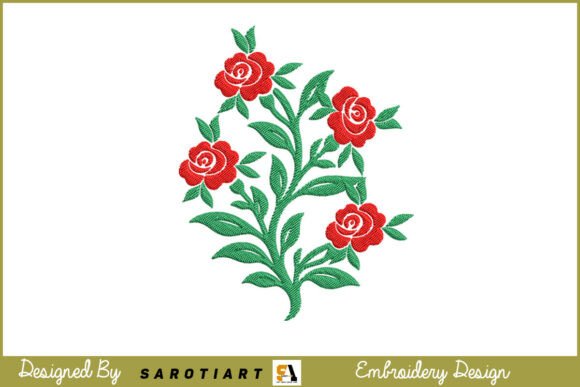
Rose Flowers Embroidery T-shirt Design Review
As I prepare my inventory for the upcoming weekend craft fair, my primary focus is selecting designs that bridge the gap between digital perfection and tangible, sellable merchandise. When evaluating the Rose Flowers Embroidery T-shirt Design, I am not just looking at a pretty image on a screen; I am assessing its viability as a high-turnover item in a competitive handmade market. For fellow Etsy sellers, boutique makers, and creative entrepreneurs, the decision to add a new machine embroidery design to your production lineup requires a critical eye toward both aesthetic appeal and manufacturing efficiency.
First Impressions and Market Positioning
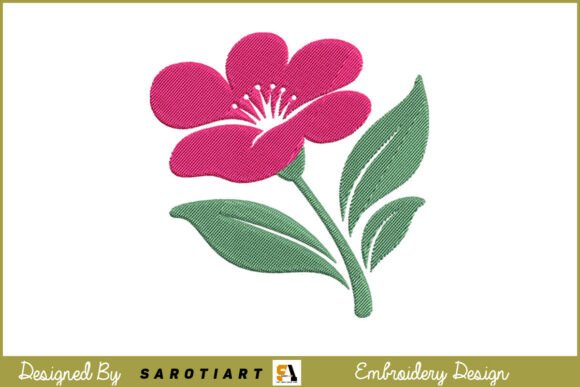
Upon loading this embroidery file into my software, the immediate impression is one of classic versatility. In the crowded category of Single Flowers, roses can sometimes skew too traditional or overly complex. However, this specific Rose Flowers Embroidery T-shirt Design strikes a balance that feels accessible yet refined. It does not scream "grandmother’s linens," nor does it feel like generic clip art. Instead, it presents as a modern botanical accent that aligns well with current farmhouse, cottagecore, and soft minimal trends dominating the handmade product space.
For a craft fair booth, visual hierarchy is everything. Customers walking past have only seconds to register interest. This design possesses enough stitch definition to be recognizable from three feet away, which is crucial for booth displays. It avoids the muddiness that often plagues floral digitizing when scaled down. The style suggests it will photograph beautifully for printable mockups and online listings, translating texture into pixels effectively—a vital trait for digital sellers who rely on screen-based first impressions.
Versatility Across Craft Fair Products
While the title specifies a t-shirt application, my experience tells me this design has significantly higher commercial potential across various substrates. As I plan my table display, I am evaluating where this rose motif yields the highest profit margin and customer engagement.
- Tote Bag Design: This is arguably the strongest application for this specific file. Canvas tote bags provide a stable foundation that supports stitch density without puckering. A centered or lower-corner placement of this rose creates an elegant, reusable shopping bag that appeals to eco-conscious buyers.
- Apron Embroidery: Kitchen wear is a staple at handmade markets. Placing this design on the bib or lower pocket of a linen apron elevates a utilitarian item to a giftable luxury. The rose adds a touch of warmth that resonates with home cooks and bakers.
- Tea Towel Embroidery: Flour sack towels are excellent vehicles for single flower designs. Because towels have texture, this design needs sufficient column width to prevent sinking into the weave. If the digitizing is clean, these become high-volume impulse buys.
- Embroidered Patches: Given its likely compact footprint, this design is a prime candidate for creating standalone patches. These can be sold individually as add-ons or applied to denim jackets and caps, diversifying your small shop product range without requiring large hoop sizes.
- Kids’ Clothing: The description mentions suitability for kids' clothing. This is a strategic advantage. Children’s garments require smaller designs that are less dense to maintain fabric drape. If this file scales down cleanly, it opens up a lucrative niche for personalized baby onesies and toddler tees.
Production Practicality and Batch Efficiency
For commercial embroidery businesses, time is money. A beautiful design that takes forty minutes to stitch out is rarely viable for a low-to-mid price point craft fair product. I evaluate the Rose Flowers Embroidery T-shirt Design based on its repeatability. Does it allow for batch production? Can I hoop multiple items or use a multi-position setup?
The design appears optimized for efficient run times while maintaining coverage. This balance is essential for keeping unit costs low. Furthermore, the color changes seem manageable. Excessive thread breaks or complex color sequences slow down production and increase the risk of errors during unattended stitching. For an Etsy seller fulfilling custom orders, a design that stitches out reliably reduces stress and turnaround time. The ability to offer this rose in multiple thread colors—perhaps a dusty pink for spring, deep red for winter, or monochrome for modern aesthetics—allows for SKU variation from a single digital embroidery file.
Critical Technical Considerations for Makers
Even the best digitized files require operator intelligence. Before committing this design to your final inventory, you must address several technical variables to ensure professional results.
- Fabric Texture and Stabilizer: While ideal for t-shirts, applying this to textured surfaces like waffle-weave towels or pique polos requires adjustment. You may need to add a water-soluble topping to prevent stitches from disappearing into the fabric grain. Always match your stabilizer weight to the design density; using a heavy cutaway on a lightweight tea towel will result in a stiff, unappealing finish.
- Stitch Density Checks: Inspect the underlay. If you are stitching on dark fabrics, ensure the underlay provides adequate coverage so the base fabric doesn't show through lighter rose petals. Conversely, check for excessive density in overlapping petal areas that could cause needle breaks or fabric distortion on stretchy knits.
- Hoop Size Verification: Never assume the design fits your intended placement area. Measure the actual stitch field against your garment’s printable area. For kids' clothing or cap fronts, confirm the dimensions do not exceed safe embroidery zones to avoid sewing over seams or hardware.
- Thread Contrast Testing: Roses rely on shading for depth. Test your thread colors on scrap fabric identical to your finished product. What looks vibrant on a white monitor screen may appear muddy on natural linen. Ensure there is sufficient contrast between petal layers to maintain the floral definition.
Elevating Brand Value and Booth Display
Incorporating the Rose Flowers Embroidery T-shirt Design into your collection does more than fill shelf space; it reinforces brand consistency. A cohesive aesthetic helps customers recognize your work instantly. If your shop focuses on romantic, vintage, or nature-inspired themes, this floral anchor strengthens that identity.
At the craft fair, display strategy matters. Do not just lay folded shirts flat. Hoop a sample of this design in an embroidery hoop and hang it as signage. Use the design on a variety of price points—a premium embroidered pillow cover next to an affordable key fob or patch. This tiered pricing strategy captures different buyer segments. For online sales, invest time in creating lifestyle photography rather than relying solely on digital renderings. Show the rose stitched on a real tote bag being carried, or on an apron in a kitchen setting. Real-world context validates the handmade quality and justifies the price point to discerning buyers.
Final Designer Notes for Success
Before listing any finished product derived from this machine embroidery design, conduct a thorough pre-production audit. Stitch a test sample on the exact material you intend to sell. Wash and dry it if it is a wearable or washable home good to check for shrinkage or stabilizer residue. Confirm your commercial licensing terms; ensure you have the right to sell physical items embroidered with this file, especially if sourcing from a third-party digitizer.
Ultimately, the Rose Flowers Embroidery T-shirt Design represents a solid asset for the creative entrepreneur. Its strength lies in its adaptability. By treating it not just as a t-shirt graphic but as a versatile component of a broader product ecosystem, you maximize its return on investment. Whether you are stocking a weekend booth or fulfilling Etsy orders, this design offers the blend of beauty and practicality required for sustainable business growth. Remember to always verify specific file details, including formats and license restrictions, directly from the source before beginning your production run.