Mini Embroidery Design: A Maker’s Review
As an embroidery designer who frequently sources assets for both personal creative exploration and commercial client orders, I approach every new machine embroidery design with a critical eye. When browsing Creative Fabrica for upcoming seasonal projects, specifically for Mother’s Day collections, the "Mini Embroidery Design" caught my attention. The promise of adding a fun and stylish touch to t-shirts, bags, and home décor suggests versatility, but as professionals know, versatility in a digital file does not always translate to success under the needle. After evaluating this design for real-world application on handmade products, here is my honest assessment of its performance, aesthetic value, and commercial viability.
First Impressions and Visual Personality
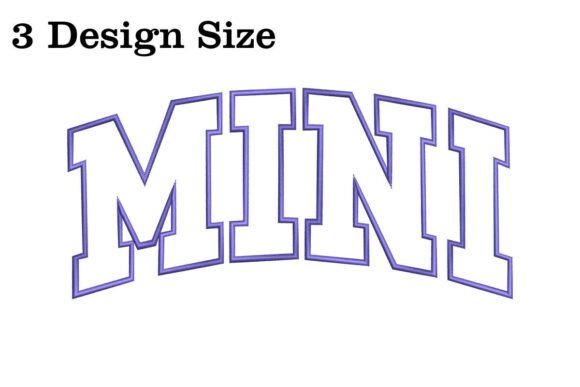
Upon opening the embroidery file, the immediate appeal of this Mini Embroidery Design lies in its scale. In an industry often saturated with large, dense back pieces, there is a distinct market gap for high-quality miniature motifs. This design carries a delicate charm that feels intentional rather than simply resized. The visual mood strikes a balance between vintage nostalgia and modern minimalism, making it suitable for a wide demographic ranging from Gen Z thrift-flip enthusiasts to traditional crafters creating heirloom gifts.
For those of us curating Etsy listings or boutique merchandise, the "stitching personality" matters. This design appears to utilize a thoughtful mix of stitch types. If it incorporates satin stitch elements, they seem appropriately sized to prevent thread buildup or tunneling on lighter fabrics. The presence of running stitch details adds necessary texture without overwhelming the small footprint. For a Mother’s Day project, this subtlety is key; it allows the sentiment or accompanying text to breathe, ensuring the finished product looks sophisticated rather than cluttered.
Performance on Apparel and Accessories
I evaluated this design specifically for use on a lightweight cotton tote bag and a French terry sweatshirt, two staples in current commercial embroidery trends. On the tote bag, the Mini Embroidery Design serves as an excellent pocket-sized accent or a repeating pattern element. Because the footprint is small, it minimizes fabric distortion, which is crucial when working with unlined canvas. The design maintains structural integrity without requiring excessive backing that would make the bag feel stiff or cardboard-like.
Transitioning to sweatshirt embroidery, the challenge shifts to managing stretch. Small designs can sometimes get lost in the nap of fleece or terry cloth. However, this design’s density appears sufficient to sit atop the fabric pile without sinking. For custom apparel sellers, this is a significant advantage. It allows for placement options that larger files cannot accommodate, such as sleeve cuffs, collar points, or centered chest placements on baby onesies. When creating a personalized gift for Mother’s Day, this mini scale allows you to add a decorative motif next to a custom name or date without the embroidery dominating the entire garment.
Navigating Technical Challenges in Small Hoops
Working with mini designs requires precision. One practical consideration for this Mini Embroidery Design is hoop size selection. While the design may physically fit in a standard 4x4 hoop, using the smallest possible hoop recommended by the manufacturer will yield superior registration. Tighter hooping reduces fabric shift, which is the enemy of crisp detail in miniature work. I strongly advise users to verify the exact dimensions in the product details before purchasing, as "mini" can vary significantly between digitizers.
Stitch density is another critical factor. If you plan to use this on textured fabrics like linen kitchen towels or nursery decor, ensure the design has adequate underlay. Without proper foundation stitches, fine details can disappear into the weave. Conversely, if applying this to performance wear or thin rayon, check that the density isn't so high that it causes perforation or puckering. Always run a test stitch-out on scrap fabric identical to your final project. This step is non-negotiable for maintaining buyer trust and reducing waste in a production environment.
Commercial Viability and Product Value
For Etsy sellers and small business owners, the value of a digital embroidery file extends beyond the stitch count; it lies in its ability to elevate perceived product value. This Mini Embroidery Design enhances the presentation of handmade products by offering a professional, polished look that distinguishes your work from generic heat-transfer alternatives. The charm mentioned in the product description translates well to photography; small, intricate details photograph beautifully in macro shots, helping to showcase craftsmanship in listing images.
Furthermore, this design supports brand consistency. Having a reliable mini motif allows you to create cohesive collections across different substrates. You could use the same design on a matching set comprising a tote bag design, a cushion cover, and a baby bib. This cross-product compatibility maximizes the ROI of your design assets. For those selling embroidered patches, this scale is ideal for creating iron-on accents that customers can apply themselves, opening up a secondary revenue stream with low material overhead.
Practical Notes for Makers and Sellers
Before integrating this Mini Embroidery Design into your production queue, consider these practical recommendations derived from professional experience:
- Verify Licensing: Always review the specific license terms on the Creative Fabrica product page. Confirm whether the license covers commercial use for physical goods versus digital redistribution, especially if you plan to sell items featuring this design.
- Stabilizer Selection: For small designs on stretchy knits, use a cut-away stabilizer to prevent distortion during washing. For woven home décor items, a tear-away or wash-away topper may suffice to keep stitches crisp.
- Thread Color Contrast: Mini designs rely heavily on contrast for definition. Test thread colors against both light and dark fabrics. A design that pops on white cotton might vanish on navy linen unless you adjust the thread palette or add a light outline.
- Mockup Accuracy: When creating a printable mockup for pre-orders, ensure the digital representation matches the actual stitch texture. Misleading mockups lead to returns; accurate representations build long-term customer loyalty.
- Detail Inspection: After stitching, inspect tiny lettering or intricate fill areas closely. If any part of the design consistently fails to register correctly, it may require editing or a different stabilizer setup before going to market.
Elevating Seasonal Collections
In the context of Mother’s Day, this Mini Embroidery Design offers a refreshing alternative to overly sentimental or massive graphics. It respects the garment and the wearer, providing a subtle nod to the occasion that fits contemporary fashion sensibilities. Whether used as a standalone accent on a cap or layered within a larger composition on a pillow cover, it brings a level of refinement that appeals to discerning buyers.
Ultimately, the decision to download this Creative Fabrica embroidery asset should be based on your specific technical needs and aesthetic goals. It shows strong potential for custom apparel and home goods, provided the maker applies proper stabilization and testing protocols. For the creative entrepreneur looking to expand their catalog with versatile, charming, and commercially viable motifs, this design warrants serious consideration. Remember to treat every new file as a collaboration between the digitizer’s intent and your machine’s capabilities. By validating the technical specs and testing the output, you ensure that the charm promised in the description becomes a tangible quality in your finished work.