Lucky Horseshoe Embroidery Design Review
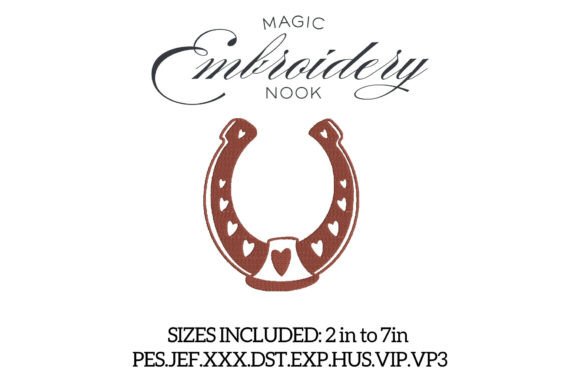
As an embroidery designer preparing for a busy weekend craft fair, my selection process is ruthless. I cannot afford to hoop designs that look muddy on textured fabrics or fail to catch the eye of a passerby from five feet away. When evaluating the Lucky Horseshoe Embroidery Design for my upcoming market table, I am looking at more than just a digital file; I am assessing a potential bestseller. This design, described as a Western Heart Horseshoe Stitch tailored for the "Lucky Girl" syndrome with a rustic brown palette and embellishments, hits a specific intersection of trends that is currently dominating the handmade marketplace. It bridges the gap between traditional farmhouse aesthetics and modern manifestation culture, making it a prime candidate for high-turnover inventory.
First Impressions: Rustic Charm Meets Modern Trend
My immediate reaction to this machine embroidery design is that it possesses strong shelf appeal due to its color story. The rustic brown base suggests warmth and vintage authenticity, which photographs exceptionally well for Etsy seller listings and social media marketing. Unlike stark black or primary colors, brown thread creates a softer, more premium feel that aligns with current cottagecore and western gothic trends. The inclusion of the "Lucky Girl" theme adds a layer of narrative value. Customers are not just buying a horseshoe; they are buying into a mindset of positivity and luck. For a craft fair product, this emotional hook is essential. The description mentions a row of embellishments, which implies texture. In person, dimensional details like beads or metallic accents (if included in the digitizing) create light play that flat prints cannot replicate, justifying a higher price point for the finished product.
Best Applications for Market Inventory
Determining where to place this design is critical for maximizing sales velocity. Based on the rustic aesthetic and the Valentine’s Day category placement, I have identified three high-potential applications for my booth display.
- Tea Towel Embroidery: This is likely the strongest performer. A cream or unbleached linen tea towel provides the perfect contrast for the rustic brown thread. The "Lucky Girl" sentiment transforms a utilitarian kitchen item into a daily affirmation tool. Tea towels are low-cost entry points for customers and allow for batch production.
- Tote Bag Design: Canvas totes are staples at handmade markets. This design works beautifully centered on a natural canvas bag. The western heart motif appeals to shoppers looking for boho-chic accessories. Because tote bags offer a large, flat embroidery area, the intricate details of the horseshoe and embellishments will remain crisp and legible.
- Apron Embroidery: For the Valentine's Day season, positioning this as a gift for the home cook or baker is strategic. An apron featuring the Lucky Horseshoe feels personal and thematic without being overly romantic, broadening its demographic reach beyond couples to include friends and family members who love western decor.
While caps and patches are viable, I would approach them with caution. The embellishment details mentioned in the description may get lost on the curved surface of a cap or the limited real estate of a standard embroidered patch. Stick to flat, stable surfaces for the initial test run to ensure the design integrity holds up.
Production Practicality and Booth Display Strategy
From a production standpoint, a digital embroidery file must be efficient. For a weekend market, I need designs that run consistently without excessive thread breaks or registration issues. The rustic brown colorway is forgiving; unlike white thread, it does not show minor tension fluctuations or bobbin bleed-through as easily, reducing waste during batch runs. However, the "row of sm" (presumably small embellishments or satin stitches) requires attention. If these elements are too dense, they could cause puckering on lighter weight fabrics like tea towels. I recommend using a high-quality cutaway stabilizer rather than tear-away to support the weight of the decorative stitching.
For the booth display, visual hierarchy matters. I plan to use this design as a mid-tier focal point. It is distinct enough to draw attention but versatile enough to pair with other western or Valentine's items. Creating a printable mockup for signage next to the physical samples helps customers visualize the design on products I might not have in stock, such as pillow covers or fabric pouches. This expands my perceived inventory without requiring additional physical production time before the fair.
Critical Technical Considerations for Sellers
Before loading this embroidery file into a commercial machine, several technical factors demand verification. As experienced makers know, assumptions lead to ruined blanks.
- Verify Stitch Density: Check the density settings specifically around the embellished areas. If the design is intended for thick terry cloth towels, the density must be sufficient to prevent the fabric texture from showing through. Conversely, if used on lightweight cotton, excessive density will cause bulletproofing. Adjust compensation settings based on your specific fabric texture.
- Thread Color Matching: "Rustic brown" is subjective. Compare your physical thread chart against the designer’s specified colors. A cool-toned chocolate brown reads differently than a warm chestnut. Ensure the thread sheen (matte vs. rayon) matches the rustic vibe; a high-sheen polyester might make the design look too synthetic for a farmhouse aesthetic.
- Hoop Size and Spacing: Confirm the exact dimensions. Does it fit your most commonly used hoop? If you are producing tea towels, ensure there is adequate clearance from the hem and side seams. Crowded placement looks amateurish and devalues the handmade product.
- Small Lettering Clarity: If the "Lucky Girl" text is integrated into the design, test it at the smallest intended size. Serif fonts or thin script often fail below 0.25 inches. If clarity is compromised, consider removing the text for smaller applications like pouches and keeping it only for larger items like aprons.
- Commercial Licensing: Never assume usage rights. Review the license terms for this design assets package explicitly. Some designers permit finished product sales but prohibit resizing or altering the file. Ensure your intended modifications for different products comply with the agreement.
Maximizing Value Through Strategic Presentation
The success of the Lucky Horseshoe Embroidery Design at a craft fair ultimately depends on how it is presented. This design carries inherent value through its trend relevance and aesthetic cohesion. To maximize buyer engagement, group products by theme rather than type. Create a "Lucky Love" vignette combining the embroidered tea towels, a matching tote, and perhaps a printed card explaining the Lucky Girl manifestation concept. This storytelling approach elevates the item from simple commercial embroidery to a curated lifestyle piece.
Photography for online listings should mirror this tactile quality. Avoid harsh flash that flattens the stitch texture. Natural lighting captures the dimensionality of the horseshoe and embellishments, reinforcing the handmade quality that digital sellers strive to convey. When writing product descriptions, emphasize the specific attributes of this design—the rustic warmth, the symbolic meaning, and the craftsmanship. These details justify premium pricing and distinguish your work from mass-produced alternatives.
Finally, always produce at least one physical sample before committing to a full production run. Digital previews and printable mockups are excellent tools, but nothing replaces the tactile confirmation of stitch quality on your chosen substrate. Test the design on scrap fabric identical to your sale blanks. Inspect the back for messy jumps or excessive stabilizer residue. A clean finish is as important as the front design for customer satisfaction and repeat business. By treating this small shop product with professional rigor, you transform a digital download into a tangible asset that drives revenue and builds brand loyalty in the competitive handmade marketplace.