Lavender and Butterfly Embroidery: A Seller's Review
As an Etsy seller constantly scouting for fresh designs that balance aesthetic appeal with commercial viability, I approach every new Creative Fabrica embroidery find with a critical eye. It is not enough for a design to simply look pretty on a screen; it must translate into a profitable handmade product. After evaluating the Lavender and Butterfly Embroidery design, I see significant potential for small business owners looking to expand their botanical collections. This review breaks down how this specific machine embroidery design fits into a professional production workflow, from digitization quality to end-product marketability.
Evaluating the Visual Style and Market Fit
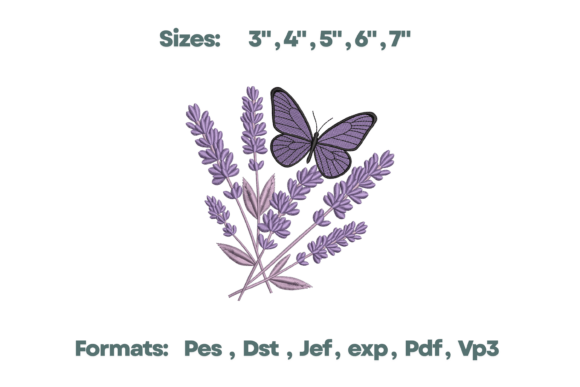
The first thing I assess when browsing Single Flowers categories is whether a design feels dated or timeless. The Lavender and Butterfly Embroidery pattern strikes a balance between classic botanical illustration and modern femininity. Based on the description of vibrant lavender stalks in varying shades of purple, this design leans toward an elegant yet accessible aesthetic. It avoids being overly cutesy, which makes it versatile for both adult custom apparel and nursery items.
For my shop, this visual personality suggests three distinct market niches:
- Rustic Elegance: Perfect for linen kitchen towels and aprons where the purple tones pop against natural beige fabrics.
- Soft Feminine: Ideal for baby blankets and bibs where the butterfly element adds a touch of whimsy without overwhelming the delicate nature of infant gear.
- Modern Botanical: Suitable for tote bags and sweatshirts aimed at customers who appreciate nature-inspired minimalism.
This versatility is crucial for maximizing the return on investment for any digital embroidery file. A design that can span multiple demographics reduces the need to purchase separate assets for different product lines.
Product Planning: From Digital File to Finished Goods
When integrating Lavender and Butterfly Embroidery into my production schedule, I immediately visualize specific SKUs. As an experienced seller, I know that buyers are not just purchasing stitches; they are buying a feeling or a solution. Here is how I would categorize this design for maximum sales potential:
Apparel and Wearables
Sweatshirt embroidery is currently trending heavily on Etsy. This design appears well-suited for left-chest placement or centered yoke positioning. The varying shades of purple mentioned in the product details suggest depth, which photographs beautifully on cream, grey, or sage green sweatshirts. For tote bag design, the vertical orientation often associated with lavender stalks complements the tall canvas shape of standard shoppers. This alignment reduces wasted fabric space and creates a balanced composition that looks professional rather than haphazard.
Home Decor and Gifting
Kitchen towel embroidery remains a consistent best-seller for craft businesses. Lavender is inherently associated with freshness and cleanliness, making this motif a natural fit for tea towels and napkins. Furthermore, the inclusion of a butterfly transforms a simple floral pattern into a narrative scene. This narrative quality elevates a basic household item into a personalized gift suitable for housewarmings, Mother’s Day, or bridal showers. When listing these items, I would emphasize the "botanical beauty" aspect in my tags and descriptions to capture shoppers searching for cottage-core or garden-themed decor.
Niche Applications
Do not overlook smaller applications. If the design scales down well without losing detail, it could serve as an embroidered patch for denim jackets or caps. Patches have a lower price point and higher perceived value, making them excellent add-on items for increasing average order value. Always verify the minimum size requirements in the embroidery file metadata before attempting to resize for patches to ensure stitch integrity.
Technical Considerations for Professional Results
A beautiful preview image does not guarantee a smooth stitch-out. Before listing any product featuring Lavender and Butterfly Embroidery, I adhere to a strict testing protocol. This protects my brand reputation and prevents costly material waste.
Stitch Density and Stabilizer Selection
Botanical designs with varying shades often utilize complex fill stitches or blending techniques to achieve color gradients. I would run a test stitch-out to evaluate the stitch density. If the lavender stalks are too dense, they may cause puckering on lightweight fabrics like quilting cotton or t-shirt jersey. Conversely, if they are too sparse, the fabric might show through, making the finished product look cheap. Based on the test results, I would adjust my stabilizer choice. For sweatshirts, a cut-away stabilizer is likely necessary to support the weight of the multi-shade purple threads. For kitchen towels, a tear-away or wash-away topper might suffice to prevent the stitches from sinking into the terry cloth texture.
Thread Color Verification
The product description highlights varying shades of purple. As a seller, I must confirm that my thread palette matches the digitizer's intent. Sometimes, converting between thread brands (e.g., Madeira to Robison-Anton) can result in muddy colors. I recommend stitching out a color chart specifically for this design to ensure the transition between lavender shades is smooth and visually pleasing. Accurate thread colors are essential for maintaining the "high-quality pattern" promise made in the listing description.
Hoop Size and Production Efficiency
Time is money in commercial embroidery. I always check the required hoop size before committing to a design. If Lavender and Butterfly Embroidery requires a large hoop but the actual stitch area is small, it may not be efficient for bulk production. However, if the design utilizes the hoop space effectively, it becomes a viable candidate for batch processing. Always confirm the exact dimensions on the Creative Fabrica product page, as file metadata can sometimes vary.
Marketing and Merchandising Strategy
Once the physical sample is perfected, the focus shifts to presentation. Buyers on Etsy and independent shops rely entirely on visuals. Because this design features intricate color work, flat digital mockups often fail to do it justice. I strongly advise against relying solely on printable mockup software for this specific design. Instead, photograph the actual stitched sample on the intended product.
Lighting is critical for capturing the "varying shades of purple." Natural light or diffused studio lighting will showcase the dimensionality of the embroidery better than harsh flash, which can flatten the texture. When creating social media previews, zoom in on the butterfly details and the gradient of the lavender. These macro shots demonstrate quality and justify premium pricing. Additionally, use lifestyle photography to show scale; a tote bag held by a model communicates size and utility far better than a product on a white background.
Licensing and Commercial Viability
Finally, no evaluation is complete without reviewing the legal terms. As a craft business owner, protecting your shop from copyright issues is paramount. Before selling any item featuring Lavender and Butterfly Embroidery, carefully read the license agreement provided on Creative Fabrica. Confirm that the license covers commercial embroidery for physical products. Some licenses restrict the number of units you can sell or prohibit using the design for mass manufacturing. Understanding these boundaries ensures your business growth is sustainable and compliant. Never assume a license includes commercial rights; always verify the specific terms attached to the embroidery file you download.
In summary, Lavender and Butterfly Embroidery presents a strong opportunity for sellers willing to put in the technical due diligence. Its blend of botanical elegance and versatile application makes it a valuable asset for shops specializing in home decor, apparel, and personalized gifts. By focusing on proper stabilization, accurate color matching, and authentic photography, this design can become a cornerstone of a profitable seasonal or evergreen collection.