Folk Art Floral Rooster: A Business Design Review
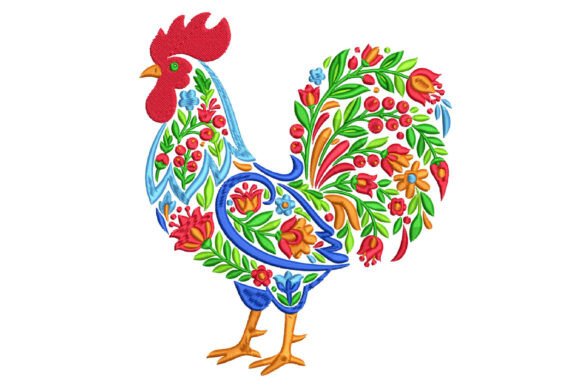
As a professional embroidery designer specializing in commercial merchandise, I approach every new machine embroidery design with a critical eye toward production viability and brand alignment. When evaluating the Folk Art Floral Rooster Embroidery for small business applications, my first impression is one of distinct rustic charm balanced with decorative complexity. This design does not read as a generic cartoon animal; rather, it presents as a sophisticated piece of folk art that communicates heritage, warmth, and artisanal quality. For businesses in the farm-to-table culinary space, boutique retail, or handmade goods sector, this aesthetic is invaluable. However, translating intricate floral patterns and animal motifs into durable custom apparel or branding assets requires careful technical consideration to ensure the final product maintains professional integrity.
Evaluating Visual Personality for Brand Identity
The visual weight of the Folk Art Floral Rooster Embroidery suggests a brand personality that is friendly yet established. In the context of brand identity, this design serves as an excellent anchor for businesses wanting to emphasize organic origins or handcrafted care. Unlike minimalist line art, the filled floral elements within the rooster’s silhouette create a rich texture that photographs beautifully for social media and marketing materials. When used as a primary logo mark or secondary icon, it signals to customers that the business values tradition and detail.
For Etsy sellers and creative studios, this design bridges the gap between playful and premium. It avoids the juvenile look often associated with animal themes in the Embroidery category by utilizing dense satin stitches and complex fill patterns. This makes it suitable for higher price-point items where perceived value matters. Whether applied to a linen napkin at a bistro or a canvas tote at a florist shop, the design reinforces a cohesive narrative of rustic elegance that resonates with modern consumers seeking authentic connections.
Commercial Applications: From Aprons to Patches
In real-world commercial embroidery scenarios, versatility is key. The Folk Art Floral Rooster Embroidery performs exceptionally well across various small business merch categories. For cafes and bakeries, this design is ideal for apron embroidery. The central placement on a bib apron allows the full detail of the floral rooster to shine without being obscured by pockets or seams. The density of the design provides enough coverage to stand out against heavy cotton or denim fabrics commonly used in hospitality uniforms.
As an embroidered patch, this artwork offers significant flexibility for staff uniforms or retail inventory. Because the design features a self-contained shape with defined edges, it can be easily digitized with a merrowed border or heat-seal backing. This makes it perfect for seasonal merchandise or limited-edition releases where you might not want to permanently embroider directly onto expensive stock. Similarly, for tote bag design, the rooster acts as a striking focal point. Canvas and natural fibers accept the high stitch count of folk art styles well, resulting in a tactile, high-quality feel that encourages customer retention and reuse.
Technical Considerations for Caps and Small Formats
While the design excels in medium-to-large formats, business owners must exercise caution when adapting Folk Art Floral Rooster Embroidery for smaller applications like cap embroidery or sleeve cuffs. The intricate floral patterns described in the product details are beautiful but can become muddy if reduced below a certain threshold. As a designer, I advise against shrinking this specific artwork for left-chest logos on polo shirts unless the file has been specifically re-digitized for small sizes. Standard resizing software often collapses the spacing between floral elements, leading to thread breaks and poor registration on curved surfaces like caps.
Furthermore, consider the fabric texture of your intended merchandise. Highly textured fabrics like terry cloth or loose-weave linens can swallow fine details. If using this design on such materials, you may need to increase the underlay or simplify the inner floral elements to maintain clarity. Dark uniforms also present a challenge; while the rooster motif is bold, lighter thread colors are necessary to preserve the contrast of the internal floral work. Always verify that the digital embroidery file includes adequate pull compensation for the specific garment type you intend to produce.
Production Notes: Testing and Quality Assurance
Before committing to a full production run of finished product merchandise, rigorous testing is non-negotiable. My standard protocol for reviewing a new embroidery file involves several critical steps to protect your business investment:
- Stitch Out Verification: Never rely solely on screen visualization. Run a physical test sew on the exact fabric and stabilizer combination you plan to use for the final order. Check for puckering around the dense floral areas.
- Hoop Size Confirmation: Ensure the design fits comfortably within your machine’s hoop size with adequate margin for stabilization. Overstretching fabric to fit a design leads to distortion and misalignment.
- Thread Color Contrast: Test the design in black and white first to evaluate tonal separation. If the floral patterns disappear against the rooster's body color in grayscale, they will likely lack definition in the final colored version.
- Wash Testing: For items like aprons and work shirts that require frequent laundering, wash the test sample three times. Inspect the edges and dense fill areas for fraying or shrinkage issues.
- Licensing Compliance: Before selling any item featuring this design, confirm the commercial licensing terms. Ensure you have the right to use the artwork for profit on physical goods versus personal crafting only.
Enhancing Customer Trust Through Presentation
The way you present Folk Art Floral Rooster Embroidery to clients or customers directly impacts sales conversion. Utilizing a high-quality printable mockup alongside photos of actual stitched samples builds confidence. Digital renderings show the ideal state, but real photos prove the handmade product quality. When listing this merchandise online, highlight the "intricate floral patterns" and "rustic touch" mentioned in the description as selling points that differentiate your gear from mass-produced alternatives.
Consistency across your design assets is equally important. If this rooster is part of a larger collection, ensure the stitch style matches other branding elements. Mixing a dense folk art rooster with thin, sketchy typography can create visual dissonance. Pair this design with solid, classic fonts and complementary rustic icons to create a unified brand experience. Ultimately, when executed correctly, this embroidery design becomes more than just decoration; it becomes a tangible representation of your business’s commitment to quality and character.
Final Verdict for Merchandise Creators
The Folk Art Floral Rooster Embroidery is a strong contender for businesses targeting the rustic, artisanal, or heritage market segments. Its strength lies in its ability to convey warmth and craftsmanship through detailed needlework. However, success depends entirely on respecting the technical limitations of the artwork. By avoiding excessive reduction, selecting appropriate substrates, and validating the file through physical testing, small business owners can leverage this design to create memorable, high-value branded merchandise. Always review the specific file attributes regarding stitch count and dimensions before purchase to ensure compatibility with your commercial equipment and production goals.