Dance Machine Embroidery Design Review
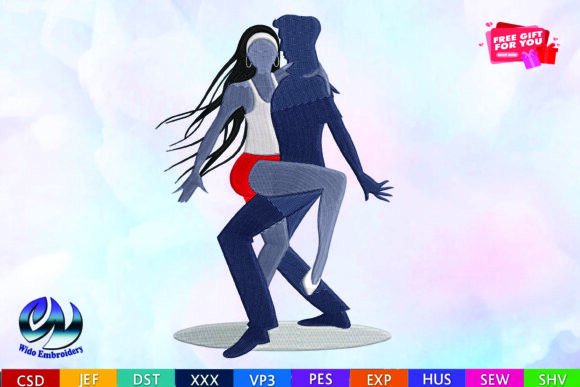
As I prepare my inventory for the upcoming weekend craft fair, selecting the right machine embroidery design is critical to booth success. Customers at handmade markets are drawn to items that tell a story or capture a specific emotion. The Dance Machine Embroidery Design, specifically the Bachata Dancers variation, immediately caught my eye as a potential bestseller. Capture the passion of movement with this dynamic piece featuring a couple in a classic dance embrace, skillfully rendered in a palette of deep blues. As an experienced designer, I am evaluating this embroidery file not just for its artistic merit, but for its commercial viability across various craft fair product lines.
First Impressions and Visual Impact
My first impression of the Dance Machine Embroidery Design is one of sophisticated elegance rather than playful novelty. The description highlights deep blues and a classic embrace, which signals a premium aesthetic. This does not feel like a cartoonish clip-art file; it feels like a deliberate artistic choice suitable for adult consumers. For an Etsy seller or boutique maker, this mood is essential. It avoids the cluttered look that often plagues dance-themed digitizing. Instead, it offers a romantic, fluid silhouette that suggests movement without requiring excessive stitch count. This balance is vital when creating a handmade product that needs to look high-end under the harsh lighting of a market tent or in natural light photography.
Best Applications for Market Sales
When planning my table display, I have to decide where this design will generate the most revenue. Not every digital embroidery file works on every substrate. Based on the elegant nature of the Bachata Dancers motif, here is how I rank its application potential:
- Tote Bag Design: This is my top choice. A canvas tote provides a stable, flat surface that allows the deep blue threads to pop against natural cotton or cream fabric. The romantic theme appeals to shoppers looking for a unique accessory for date nights or dance classes.
- Apron Embroidery: While functional, aprons can sometimes look too utilitarian. However, placing this design on a denim or navy linen apron transforms it into a wearable art piece for dancers who host events or teach workshops.
- Tea Towel Embroidery: This requires caution. If the design relies on fine shading, the waffle weave texture might obscure details. I would only use this on smooth flour sack towels to maintain clarity.
- Embroidered Patch: Given the defined silhouette mentioned in the description, this could translate beautifully into a merrow-edge patch. Patches are high-margin add-ons at craft fairs and allow customers to customize their own gear.
- Pillow Covers: For home decor vendors, the deep blue palette fits perfectly into modern farmhouse or coastal chic aesthetics, making it a strong contender for giftable home goods.
Production Practicality and Batch Efficiency
A beautiful design is useless if it takes four hours to stitch out or causes registration issues during batch production. When reviewing the Dance Machine Embroidery Design for commercial embroidery purposes, I look for efficiency. The mention of a "classic dance embrace" implies continuous lines and satin stitches rather than massive fill areas. This is excellent news for production speed. Satin-based silhouettes generally stitch faster and use less thread than complex photorealistic fills. For a small shop product line, this means I can produce more units per hour, keeping costs down and margins healthy.
Furthermore, the color palette restriction to deep blues simplifies the workflow. Fewer thread changes mean less downtime for trimming and re-threading. When preparing for a busy market weekend, streamlining the thread colors to a single monochromatic scheme or a limited duo-tone setup allows for uninterrupted production runs. This consistency also aids in brand cohesion; having a signature color story helps customers recognize your work from across the aisle.
Critical Use Notes and Technical Constraints
Even the most stunning design assets have limitations. Before listing this as a finished product, I must address several technical realities. First, verify the stitch density. Designs capturing "passion of movement" often utilize variable-width satin stitches to simulate fabric flow. If these are too dense, they can cause puckering on lighter weight fabrics like tea towels or thin tote bags. Always test on scrap fabric identical to your final product.
Secondly, consider the hoop size relative to the detail level. If the couple’s faces or hands are small within the overall composition, resizing the design down for a cap or pocket may result in lost definition. Tiny details in machine embroidery do not scale infinitely. If the original file is large, do not assume it will work as a 2-inch logo. Check the minimum recommended size in the file metadata. Additionally, curved surfaces like caps present challenges for horizontal designs. A dancing couple usually has a wide aspect ratio; ensure you have a cap-specific version or be prepared to accept some distortion on the sides of the brim.
Finally, pay attention to fabric texture and contrast. Deep blue thread on dark navy fabric will disappear unless there is significant textural variation or metallic accenting. Conversely, on white fabric, ensure the stabilizer is adequate to prevent show-through. For textured towels, use a water-soluble topping to keep the stitches crisp and visible.
Marketing and Merchandising Strategy
The way we present the Dance Machine Embroidery Design determines its perceived value. At a craft fair, visual merchandising is everything. Because this design evokes romance and movement, it should be displayed at eye level, perhaps on a mannequin wearing the embroidered apron or holding the tote bag. Static displays fail to capture the essence of dance. Consider using a printable mockup in your online listings that shows the design in motion or styled with dance accessories like shoes or fans to reinforce the context.
For digital sellers offering the embroidery file itself, highlight the versatility of the deep blue palette. Explain to buyers that this colorway matches popular dancewear brands and formal attire. Provide clear guidance on stabilizer choices and fabric pairings in your listing description. Buyers are more likely to purchase a file when they trust the digitizer understands the end application. Confirming commercial embroidery licensing terms is also non-negotiable; clearly state whether buyers can sell finished products made from this design to avoid legal ambiguity.
Designer Checklist for Success
Before committing to a full production run for the weekend market, complete this verification list:
- Test Stitch: Run the Dance Machine Embroidery Design on the exact fabric you intend to sell. Do not rely solely on screen previews.
- Contrast Check: Verify legibility from three feet away. Craft fair customers scan tables quickly; the silhouette must be instantly recognizable.
- Stabilizer Match: Confirm you are using the correct backing (cutaway vs. tear-away) and topping for the specific substrate.
- Licensing Review: Double-check the usage rights for the specific file you purchased or digitized.
- Mockup Creation: Photograph at least one real sample. Stock photos do not build trust in the handmade community.
- Pricing Calculation: Factor in the actual stitch time and thread usage observed during testing, not just estimates.
The Dance Machine Embroidery Design holds significant promise for vendors targeting the dance enthusiast and romantic gift markets. Its focus on elegant movement and a refined color palette sets it apart from generic clip art. By respecting the technical requirements of stitch density and fabric compatibility, and by merchandising it as a premium handmade product, this design can become a cornerstone of your craft fair collection. Whether applied to a sturdy tote bag or a delicate pillow cover, the key lies in letting the artistry of the dance shine through quality execution and thoughtful presentation.